Retired Air Force Design: A Typeface for Patriotic Branding
There’s a specific feeling evoked by vintage military aesthetics—the bold geometry of mid-century insignias, the weathered texture of a flight jacket patch, the stark contrast of black and white photography from a bygone era. For designers, capturing that authentic blend of honor, history, and patriotism without resorting to clichés can be a significant challenge. This is where a thoughtfully crafted design asset becomes invaluable, not just as a collection of letters, but as a vessel for storytelling. The Retired Air Force Design embodies this narrative, offering a visual language steeped in the legacy of service and sacrifice, making it a powerful tool for projects that demand respect and gravitas.
Understanding the Visual DNA
What makes this particular design system so compelling is its authentic vintage vector illustration style. It doesn't just mimic a look; it translates the visual vocabulary of military memorabilia into a flexible, modern typography solution. Think of the classic USA U.S. American America United States Flag, the silhouette of a Coast Guard cutter, the dynamic sweep of an Air Force Pilot in their airplane against the sky, or the determined profile of a Navy or Army Veteran. These aren't just decorative elements; they are symbolic anchors. The design often integrates these motifs—Fighter jets, Soldier silhouettes, patriotic ribbons, and Victory stars—into a cohesive template. This allows a designer to build a complete brand identity around themes of patriotism, freedom, and the defender ethos, perfect for memorial projects or commercial ventures honoring military service.
Practical Applications Beyond the Obvious
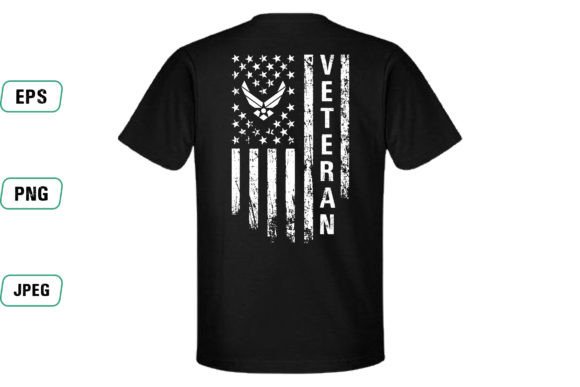
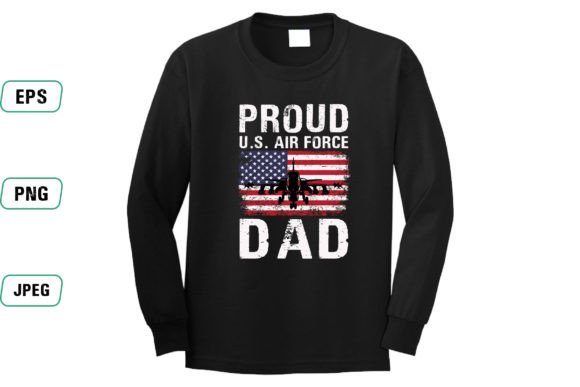
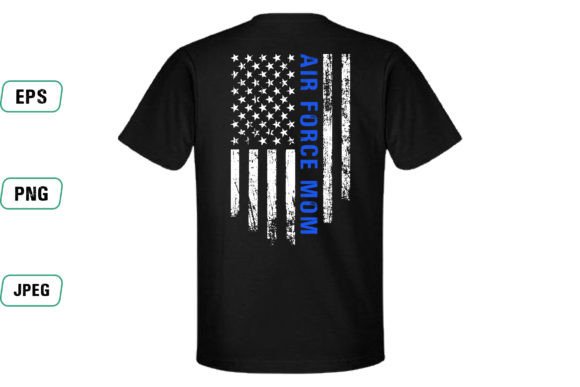
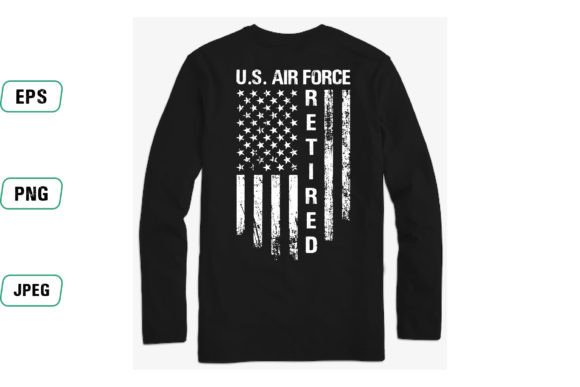
While its name suggests a narrow focus, the applications for such a versatile design asset are surprisingly broad. Of course, it’s a natural fit for creating commemorative merchandise, especially the classic T Tee Shirt Art that many veteran-owned businesses or patriotic brands produce. The vintage vector design ensures prints look sharp on fabric, maintaining its integrity whether screen-printed or digitally transferred.
However, its utility extends far into professional realms:
- Logo Design & Branding: For a security firm, a veteran-owned coffee company, or a historical documentary channel, this design provides an immediate sense of authority and heritage. It helps build brand recognition by tapping into deeply held cultural symbols.
- Packaging & Editorial Layouts: Imagine packaging for a craft beer with a "bomber" theme or a book cover for a historical military biography. The typography can set a powerful editorial tone, guiding the reader's emotional response before they even read the first word.
- Digital Presence & Marketing: From website headers to social media graphics and email campaign banners, using this design ensures visual consistency. A blog about flight history or a podcast on military strategy can use it to create professional presentation and audience engagement, making content feel more substantial and trustworthy.
The key is to match the typography to your project’s goals. Is your brand celebrating modern veterans? You might lean into the cleaner, sharper elements. Are you marketing a historical product? The more distressed, vintage textures could be your focus.
Making It Work in Your Design System
Adopting a display font with such a strong personality requires a bit of strategy to ensure readability and professional polish. First, consider your font pairings. A bold, all-caps display font from this family is perfect for headlines and logos, but it will overwhelm body text. Pair it with a clean, neutral sans-serif font for paragraphs. A classic serif can also work beautifully for a more traditional, formal feel, creating a sophisticated contrast between the decorative and the functional.
Always test your pairings in context. Create a mock-up of your social media post, your product tag, or your website’s hero section. Does the headline command attention without sacrificing clarity? Does the overall layout feel balanced? Reviewing all the included font styles—often ranging from regular and bold to outline and italic variants—is crucial. You might find that a textured outline version is perfect for a subtle background pattern, while a solid bold is ideal for a call-to-action button.
Finally, and most importantly, is the commercial licensing consideration. If you’re a small business owner, entrepreneur, or marketer, you must ensure the font’s license covers your intended use. A premium font designed for commercial use typically includes licenses for digital products, print materials, and merchandise. This isn’t just a legal formality; it’s a mark of professionalism and respect for the creator’s work, ensuring your brand is built on a solid, ethical foundation. By thoughtfully integrating a design like this, you’re not just picking a typeface—you’re aligning your project with a legacy of service, sacrifice, and unwavering patriotism.