Tie Rhinestone Design: Bold Typography for Impactful Branding
Typography isn't just about letters on a page—it's about personality, emotion, and the first impression your brand makes before anyone reads a single word. When you're building a visual identity that needs to command attention, the typeface you choose becomes the silent ambassador of your message. Tie Rhinestone Design brings a distinctive character to the table, offering designers and business owners a creative asset that balances flair with functionality across multiple file formats.
What Makes This Typeface Stand Out
Every project has a voice, and the fonts you select either amplify that voice or mute it. Tie Rhinestone Design carries a decorative quality that immediately draws the eye, making it particularly effective for headlines, logos, and any application where you need text to do more than just communicate—it needs to perform. The ornamental details woven into each character give it a textured, dimensional feel that flat, standard fonts simply can't replicate.
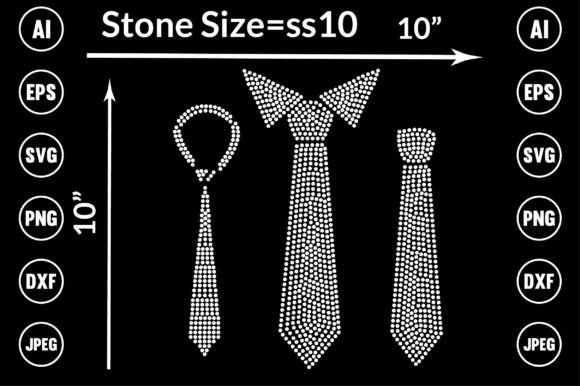
What's practical about receiving this design in SVG, Transparent PNG, EPS, DXF, AI, and JPEG formats is the flexibility it provides. Whether you're working in Adobe Illustrator, cutting vinyl with a Cricut machine, building a website, or preparing print-ready files, you're covered. That kind of versatility matters when you're juggling multiple projects or need to hand files off to different vendors and collaborators.
Where Decorative Typography Truly Shines
Not every font works everywhere, and that's perfectly fine. Tie Rhinestone Design isn't meant to replace your body copy font—it's built for moments that demand visual drama. Think about the projects where first impressions happen in milliseconds:
- Logo design for boutique brands, event companies, or lifestyle businesses that want to convey luxury or celebration
- Packaging design for cosmetics, jewelry, specialty foods, or gift items where shelf appeal drives purchasing decisions
- Social media graphics that need to stop the scroll, especially for Instagram stories, Pinterest pins, and promotional banners
- Invitations and event materials for weddings, galas, product launches, or milestone celebrations
- Merchandise like t-shirts, tote bags, and accessories where bold lettering becomes part of the product itself
- Poster design for concerts, festivals, retail promotions, or gallery exhibitions
- Website headers and hero sections where a striking typeface sets the tone for the entire user experience
Small business owners often underestimate how much a distinctive display font can elevate their marketing materials. A bakery using a generic script font on its packaging looks interchangeable with dozens of competitors. But pairing a decorative typeface like Tie Rhinestone Design with clean, modern sans serif fonts creates a visual hierarchy that feels intentional and memorable.
Practical Advice for Working With Display Fonts
Using a bold, ornamental typeface effectively requires some restraint and strategy. Here are considerations that will help you get the most out of creative fonts without overwhelming your designs:
- Limit decorative fonts to headlines and focal points. Body text should remain readable at smaller sizes, so reserve show-stopping typefaces for moments of emphasis. A tagline, a product name, a section header—these are ideal placements.
- Test font pairings before committing. Display fonts work best when balanced with simpler companions. Try pairing Tie Rhinestone Design with a clean geometric sans serif for modern projects or a classic serif for editorial layouts. The contrast creates visual interest without chaos.
- Check readability at actual size. What looks stunning at 72 points on your monitor might become illegible at the size it appears on a business card or mobile screen. Always mock up your designs at real-world dimensions.
- Consider your audience's expectations. A rhinestone-inspired decorative font communicates celebration, glamour, and boldness. That's perfect for a jewelry brand or event planner but might feel mismatched for a law firm or healthcare provider. Context matters.
- Review all available styles and weights. Many premium fonts include alternates, ligatures, or stylistic variations that can add subtle customization to your work. Take time to explore what's included before settling on your final design.
Building Brand Recognition Through Typography
Consistency is the backbone of brand identity. When customers encounter the same typeface across your website, packaging, social media, and print materials, they begin to associate that visual language with your business. It becomes shorthand for who you are and what you offer.
Tie Rhinestone Design works particularly well for brands that position themselves in the premium, celebratory, or fashion-forward space. If your business sells handcrafted goods, hosts upscale events, or markets products with a glamorous edge, this typeface can become a recognizable element of your visual system. The key is using it consistently—not just occasionally—so it becomes part of how people remember you.
Content creators and bloggers can benefit from this approach too. If you produce YouTube thumbnails, podcast artwork, or digital product covers, establishing a recurring typographic style helps your audience identify your content instantly, even before they read your name. That kind of instant recognition is invaluable in crowded feeds.
Licensing and Commercial Use Considerations
Before incorporating any font or design asset into commercial projects, always verify the licensing terms. This is especially important if you're creating products for sale, designing client work, or distributing materials at scale. Understanding whether the license covers merchandise, digital products, or unlimited commercial use protects you legally and ensures your investment is sound.
For entrepreneurs and freelancers, keeping clear records of your font licenses is just as important as tracking software subscriptions or stock photo purchases. It's a small administrative task that prevents significant headaches down the road, particularly if a client asks about the origin of design assets used in their branding.
Making the Most of Multiple File Formats
The inclusion of SVG, Transparent PNG, EPS, DXF, AI, and JPEG formats means Tie Rhinestone Design adapts to virtually any workflow. Here's a quick breakdown of when each format serves you best:
- SVG for web design and scalable graphics that load quickly and look crisp at any screen resolution
- Transparent PNG for layering text over images in social media graphics, presentations, or mockups without background conflicts
- EPS and AI for professional print production and editing in vector-based design software
- DXF for cutting machines used in crafting, signage, and physical product creation
- JPEG for quick previews, client presentations, or situations where file size matters more than transparency
Having access to all these formats from the start eliminates the frustrating back-and-forth of converting files or requesting different versions from a supplier. It streamlines your production process, whether you're designing a one-off invitation or building an entire brand package.
Typography shapes perception in ways that are both obvious and subtle. Choosing a typeface like Tie Rhinestone Design for the right project at the right moment can transform ordinary text into a visual statement that resonates with your audience and reinforces everything your brand stands for. The trick is matching the font's personality to your project's goals—and having the versatility in file formats to execute that vision wherever it needs to live.