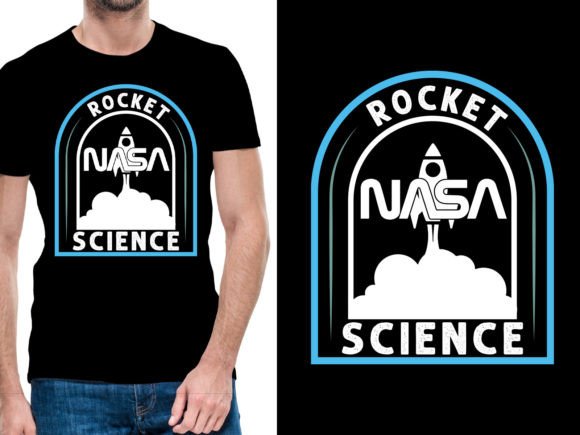
Exploring the Versatility of Rocket Nasa Science Illustration Design
There's a certain magic in well-crafted illustration that can instantly transport a viewer. A single, detailed image of a rocket or a celestial body can evoke a sense of wonder, innovation, and forward momentum. For creators, having access to a high-quality, versatile illustration asset is like finding a key that unlocks countless project possibilities. The Rocket Nasa Science Illustration Design is one such key, offering a suite of meticulously crafted digital files designed to fuel your creative vision across a vast array of applications.
Unpacking the Visual Appeal
What sets this particular design asset apart is its blend of scientific accuracy and artistic flair. The illustrations capture the iconic, powerful form of a rocket with a level of detail that feels both authentic and visually striking. This isn't a generic cartoon; it's a thoughtful representation that respects the subject matter while maintaining a clean, modern aesthetic. The lines are crisp, the composition is balanced, and the overall style is adaptable. It can feel futuristic for a tech brand, inspiring for an educational poster, or simply cool for a piece of merchandise. This visual flexibility is the foundation of its real-world value for designers and entrepreneurs alike.
You receive the files in two essential formats: a scalable vector EPS file and a high-resolution PNG file. The EPS format is a powerhouse for professional design, allowing you to resize the illustration to any dimension—from a tiny sticker to a massive banner—without a single pixel of quality loss. The PNG file, delivered at a generous 4500×5400 pixels and 300 dpi, is perfect for direct use in digital projects or for high-quality printing. Both are bundled in a single ZIP file, ready to be extracted and integrated into your workflow. It’s a practical, no-fuss package built for immediate use.
From Digital File to Tangible Creation
The true test of any design asset is how it performs in the wild. This is where the Rocket Nasa Science Illustration Design truly shines, bridging the gap between a digital download and a finished product. Consider the small business owner creating a line of science-themed apparel. The illustration can be used directly for DTG printing or adapted for iron-on transfers, giving t-shirts and hoodies a professional, retail-ready look. A crafter with a cutting machine can use the vector file to create intricate vinyl decals for laptops, water bottles, or car windows, turning a personal hobby into a potential side hustle.
For those in the branding and marketing space, the applications are equally robust. Imagine a startup in the aerospace sector or an edtech company. Using this illustration as a central element in their logo design or as a recurring motif in their brand identity can instantly communicate innovation, precision, and ambition. It becomes a recognizable visual anchor. The same asset can be seamlessly adapted for social media graphics, website hero images, blog post headers, and email newsletter banners, ensuring visual consistency across all customer touchpoints. This kind of cohesion is fundamental to building strong brand recognition.
Practical Applications for Every Creator
- Packaging & Product Design: Use the illustration to make product packaging pop on a shelf, whether for a board game, a science kit, or a gourmet coffee brand with a celestial theme.
- Print & Editorial: Enhance magazine layouts, book covers, or educational materials with a compelling visual that captures attention and supports the narrative.
- Digital Products & Marketing: Incorporate the design into PDF planners, webinar slides, or digital ads to create a polished and engaging user experience.
- Events & Invitations: Design standout invitations for a space-themed birthday party, a science fair, or a corporate launch event that feels unique and memorable.
Integrating the Asset into Your Design Process
Having a great illustration is one part of the equation; using it effectively is the other. The key is to think of it not as a standalone image, but as a flexible component within your larger design system. When working on a project, start by considering the mood you want to set. The Rocket Nasa Science Illustration Design pairs exceptionally well with clean, modern typography. A strong sans-serif font for headlines can echo its technical precision, while a complementary serif or script font for body text can add warmth and readability.
Always test your font pairings. Place the illustration next to your chosen typefaces and see how they interact. Does the typography compete with the visual, or does it support it? The goal is a harmonious relationship where both elements enhance the message. For a logo, you might integrate the rocket into the letterforms or place it as a standalone icon. For a poster, it could be the dominant visual with text overlaid strategically. Experiment with scale, color overlays, and placement to see what best serves your project's specific goals.
It's also crucial to consider the context of use. If the design is for a website, ensure the PNG file is optimized for fast loading without sacrificing clarity. If it's for print, the EPS file is your best friend, guaranteeing sharp results at any resolution. Reviewing the included file formats at the start of a project saves time and prevents technical headaches down the line. And while this asset is incredibly versatile, always double-check the licensing terms to ensure your intended use—especially for commercial products or large-scale distribution—is fully covered. Responsible use of design assets is a hallmark of a professional creator.
Ultimately, a resource like this is about empowerment. It provides a high-quality starting point that can be customized, adapted, and transformed to fit a specific vision. Whether you're a blogger looking to elevate your content, a marketer building a campaign, or a hobbyist bringing a creative idea to life, having a reliable, visually appealing illustration in your toolkit removes a significant barrier. It allows you to focus on the bigger picture: telling your story, connecting with your audience, and creating something that resonates. The rocket is ready for launch; where you take it is up to your imagination.