Crafting Autumn Apparel: The "Your Logo Here" Design Concept
There is something inherently tactile and nostalgic about the first crisp breeze of autumn that makes us reach for a comfortable, worn-in t-shirt. For designers and small business owners, the arrival of fall isn't just about pumpkin spice; it is a massive commercial opportunity to refresh merchandise lines. However, creating seasonal apparel that actually sells requires more than just slapping a leaf vector onto cotton. It requires a design system that balances seasonal aesthetics with brand identity. This is exactly where a versatile template concept like the Fall T Shirt Design, Your Logo Here package becomes an indispensable asset for your creative workflow. It bridges the gap between generic stock art and custom illustration, allowing you to produce professional-grade autumn apparel quickly.
Visual Appeal and Seasonal Aesthetics
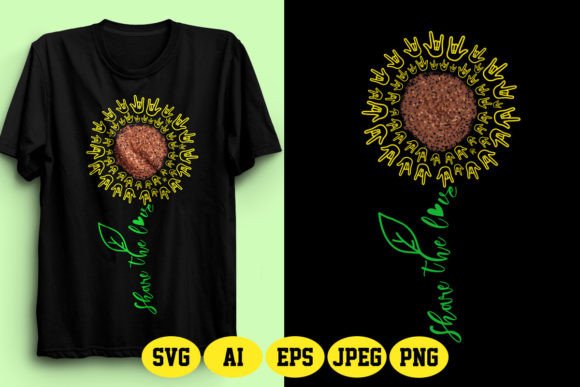
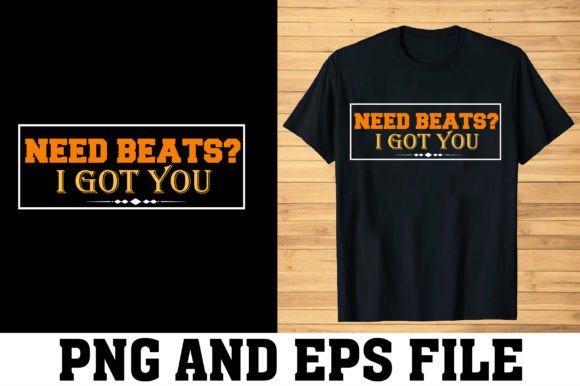
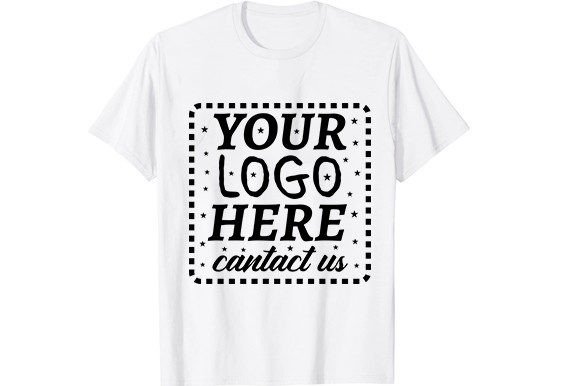
The visual language of autumn is rich and distinct, relying heavily on earthy tones, harvest imagery, and a sense of warmth. A successful fall t-shirt design taps into these elements without looking like a clipart collage. The "Your Logo Here" concept typically utilizes a composition that frames a central focal point—often involving vintage typography, distressed textures, or intricate botanical illustrations—with negative space reserved specifically for the client's branding.
What makes this approach visually appealing is the "lived-in" quality. Modern design trends in apparel favor vintage aesthetics, matte finishes, and retro color palettes over glossy, hyper-realistic graphics. When you work with a template that prioritizes these trends, you create an emotional connection with the wearer. The design feels established and authentic, which is crucial for lifestyle brands, outdoor outfitters, or local coffee shops looking to sell merchandise. The typography usually blends bold, sturdy serif fonts with delicate script accents, creating a hierarchy that draws the eye naturally to the customizable logo area.
Practical Applications Beyond the Cotton Tee
While the primary use case is apparel, the assets included in a comprehensive design package—specifically the EPS, SVG, PNG, and DXF files—unlock a massive range of creative possibilities. If you are a crafter or a print-on-demand entrepreneur, understanding these file types is essential for versatility.
The EPS and SVG files are vector-based, meaning they are infinitely scalable. You can use them for packaging design on shipping boxes, or blow them up to create posters for a local harvest festival without losing image quality. For branding projects, vectors allow you to edit individual anchor points, changing colors to match a client's specific hex codes for brand identity consistency.
The PNG files are perfect for digital products and social media graphics. They usually come with transparent backgrounds, making them ideal for layering over lifestyle photography for Instagram stories or creating mockups for an online store. Bloggers can use these high-resolution images to illustrate articles about fall fashion or DIY projects.
Finally, the DXF files are the secret weapon for makers. If you use a cutting machine like a Cricut or Silhouette, DXF files allow you to cut this design out of vinyl, heat transfer material, or cardstock. This turns the design from a simple print into a texture. You can create heat-pressed vinyl decals for tote bags, leather patches for hats, or intricate stencils for painting wooden signs. This flexibility ensures that one purchase can fuel a whole line of merchandise, invitations, and marketing assets.
Strategizing Your Brand Identity
For a small business owner, consistency is the bedrock of trust. When you use a recurring theme like "Fall T Shirt Design, Your Logo Here" across your seasonal marketing, you create a visual rhythm that your customers recognize. It is not just about selling a shirt; it is about creating a cohesive brand identity that signals the change of seasons.
Imagine a local brewery. They can use the design to create staff t-shirts (using the DTG or screen print files). They can use the vector version to create a limited-edition growler label (using the EPS file for packaging design). They can cut the logo out of vinyl to decorate their storefront windows (using the DXF file). Finally, they can use the PNG file for a Facebook event cover photo promoting their Oktoberfest party. This level of visual consistency elevates a business from "amateur" to "professional" in the eyes of the consumer.
Technical Workflow and File Management
Receiving a ZIP file containing EPS, SVG, PNG, and DXF formats can be overwhelming if you aren't sure which tool to use for which job. Integrating these assets into your workflow requires a bit of technical know-how.
If you are working in Adobe Illustrator or Affinity Designer, you will want to start with the EPS file. This is the industry standard for vector editing. Here, you can customize the typography, adjust kerning, and ensure the design aligns with modern typography standards. If you are a web designer looking to integrate the graphic into a WordPress site, the SVG (Scalable Vector Graphic) is your best friend. It keeps file sizes small and renders crisply on retina screens, which is vital for web design and readability.
For the crafter, the workflow is different. You will likely import the DXF file directly into your machine's software (like Cricut Design Space). It is important to note that DXF files often come "unwelded," meaning you may need to group layers to keep the design together. Always perform a test cut on scrap material before cutting into your expensive heat transfer vinyl.
Typography and Readability Considerations
A design is only as good as its legibility. In the context of t-shirt design, "readability" doesn't just mean the font is legible at 12pt; it means the message is clear from across the room. A common pitfall in seasonal apparel is overcrowding. When you insert your logo into the "Your Logo Here" placeholder, ensure you aren't clashing styles.
If the template uses a rustic, handwritten font, pairing it with a stiff, corporate sans-serif logo might look jarring. Instead, consider how you can integrate your logo. Sometimes, converting your logo to a single color (monochrome) helps it blend seamlessly into the artistic composition of the shirt. Pay attention to the "visual weight." If the fall design elements (pumpkins, swirls, leaves) are heavy and textured, your logo needs enough contrast to stand out but enough harmony to not fight for attention. Font pairing is an art; treat the design template as the "display" font and your logo as the "signature."
Commercial Licensing and Usage Rights
Before you upload that design to your print-on-demand store or send it to the screen printer, you must address the legalities. This is a critical step that many entrepreneurs and hobbyists overlook. When you purchase a design asset like "Fall T Shirt Design, Your Logo Here," you need to verify the license type.
Most reputable design marketplaces offer a "Commercial License," which allows you to sell the end product (the printed shirt) to an unlimited number of customers. However, there is usually a restriction against reselling the digital file itself. You cannot buy the SVG and then sell it to other designers. Always read the specific terms regarding commercial font and asset usage. If you are creating marketing assets for a client, ensure the license covers "work for hire" or that the client purchases their own copy of the asset. Protecting your business legally is just as important as the visual quality of the design.
Optimizing for Merchandise and Print
Finally, let’s talk about the physical product. A great digital mockup does not guarantee a great print. When preparing your Fall T Shirt Design for production, color separation is key. Screen printers often require spot colors, while DTG (Direct to Garment) printers handle full-color gradients well.
If you are using the PNG file for DTG printing, ensure the resolution is at least 300 DPI at the actual print size to avoid pixelation. If you are using the vector files for screen printing, take the time to merge layers and create clean paths. This makes the printer’s job easier and ensures a sharper final product. Consider the fabric color of the shirt—designs with dark outlines and high contrast work best on both light heather grey shirts and dark charcoal hoodies. By treating the design file as a moldable asset rather than a static image, you ensure that your fall merchandise looks just as good on the hanger as it does on your website.